The Chocó Biogeographic Region: A Sanctuary for Amphibians and Reptiles
The humid climate, tropical rainforest, and abundance of rivers and streams make Chocó one of the best locations in Colombia to study and observe herpetofauna.
Key facts:
-
Hosts endemic and range-restricted species such as the poison frog Oophaga solanensis.
-
Home to iconic reptiles such as the Boa constrictor and Corallus annulatus (tree boa).
-
Its variety of microhabitats supports terrestrial, aquatic, and arboreal species.
Iconic Species of Nuquí
Frogs:
-
Poisonous: Oophaga solanensis, Dendrobates auratus, and Phyllobates aurotaenia, which use toxicity as a defense mechanism.
-
Glass frogs: Hyalinobatrachium tatayoi and Cochranella granulosa, with translucent skin and nocturnal habits.
Snakes:
-
Non-venomous: Leptodeira ornata (cat-eyed snake), Oxyrhopus petolarius (false coral snake).
-
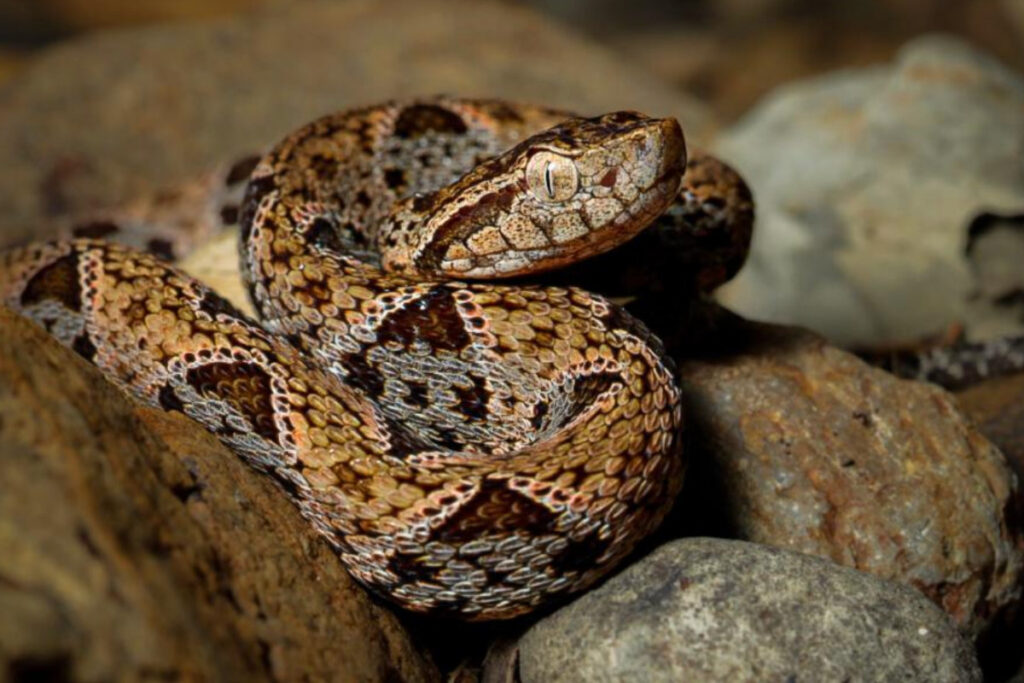
Venomous: Bothrops asper (fer-de-lance) and Bothrops punctatus, key predators in the ecosystem’s balance.
Lizards:
-
Green iguana (Iguana iguana), anoles (Anolis chloris), and the dwarf iguana (Enyalioides heterolepis).
-
Spectacled caiman, a semi-aquatic reptile commonly found in mangrove and riverbank areas.
Responsible Observation: Ethics and Safety
Observing herpetofauna requires special precautions, both for visitor safety and species protection.
Best practices:
-
Do not handle animals unless in authorized research contexts.
-
Keep a safe distance and use telephoto lenses for photography.
-
Avoid direct, intense light on animals’ eyes.
-
Conduct night observations only with specialized guides.
Relevant fact: Many of these species are bioindicators, meaning they reflect the overall health of the ecosystem.
Recommended Routes and Habitats
-
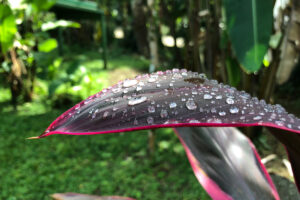
Rainforest trails: Ideal for poison and glass frogs, especially after rainfall.
-
Streams and pools: Habitats where amphibians and reptiles gather at night.
-
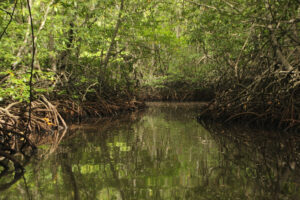
Mangroves and riverbanks: Home to caimans, iguanas, and tree-dwelling snakes.
-
Cerro Finito and Carrizalito: Elevated areas with microhabitats for lizards.
Expert tip: Night walks offer the best chances to spot active species, but should always be done in small groups and with local guides.
Ecological Value and Tourist Appeal
Beyond their beauty or rarity, these animals play essential roles: controlling insect populations, dispersing seeds, and forming part of complex food chains. Including herpetology in tourism experiences diversifies the offer and promotes habitat conservation.
Positive impact:
-
Generates income for local communities through specialized guiding services.
-
Raises awareness among visitors about the importance of lesser-known fauna.
-
Strengthens Nuquí’s image as a comprehensive ecotourism destination.
Nuquí is a privileged setting to discover the herpetofauna of the Colombian Pacific. From the vibrant Oophaga solanensis to the imposing Boa constrictor, every encounter reveals the richness and fragility of these ecosystems.
Observing, photographing, and learning about snakes, frogs, and lizards not only enriches the traveler’s experience but also contributes to the protection of a unique natural heritage.